News and Information

NEWS

News and Information

Gear motor selection guide: a comprehensive analysis from working principles to application scenarios

Gear motor selection guide: a comprehensive analysis from working principles to application scenarios

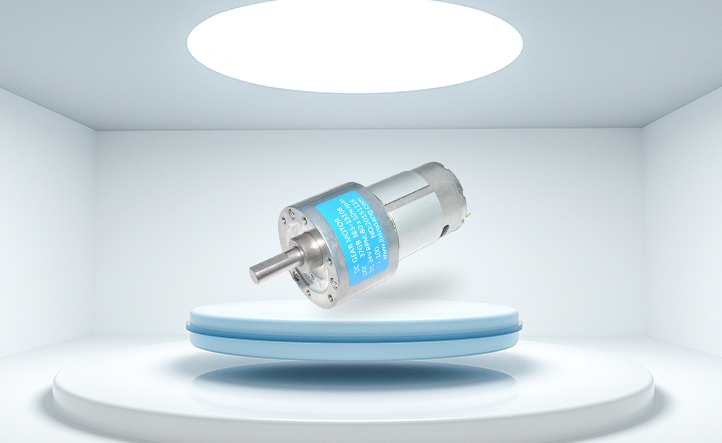
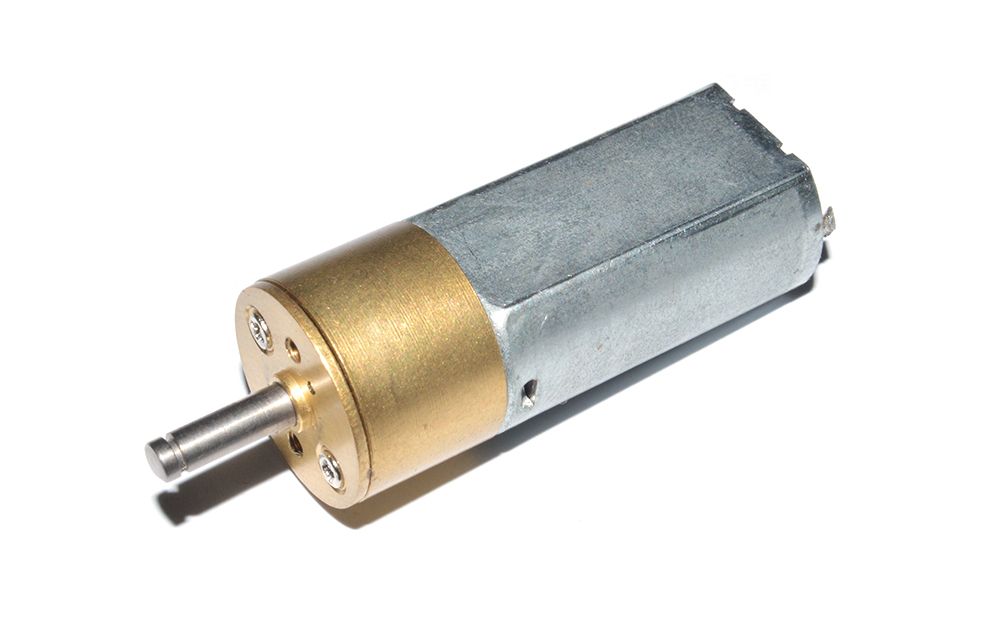
In the field of industrial automation and mechanical transmission, the geared motor, as a core power component, directly affects equipment operating efficiency and service life. Faced with a wide variety of products on the market, many engineers often encounter difficulties during selection, such as insufficient torque, excessive noise, or limited installation space. This article will start from the working principle, systematically sort out the key technical indicators of geared motors, and provide selection suggestions based on actual application scenarios, helping you avoid common pitfalls and find the most suitable transmission solution. Basic Structure and Working Principle of Geared Motors Analysis of Core Components A geared motor is composed of an electric motor integrated with a reducer. The electric motor
Planetary Gear Motor Selection Guide: Core Advantages, Application Scenarios, and Frequently Asked Questions

Planetary Gear Motor Selection Guide: Core Advantages, Application Scenarios, and Frequently Asked Questions

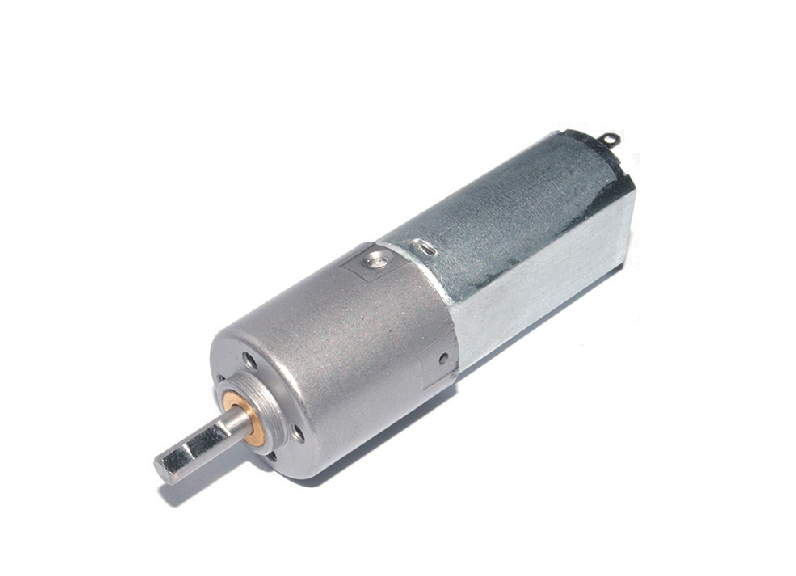
Why have planetary gear motors become the preferred choice for industrial transmission? In the fields of automated equipment and precision machinery, the stability of power transmission directly determines production efficiency and product quality. Many engineers often encounter problems such as loud equipment noise, insufficient torque, or short service life during project commissioning, and these troubles often stem from improper selection of reduction devices. With their compact structural design and efficient gear meshing method, planetary gear motors are gradually replacing traditional parallel shaft or worm gear reduction solutions, becoming the ideal matching component in servo control and stepper drive systems. Their core advantage lies in their small size yet ability to withstand high radial loads, while also possessing
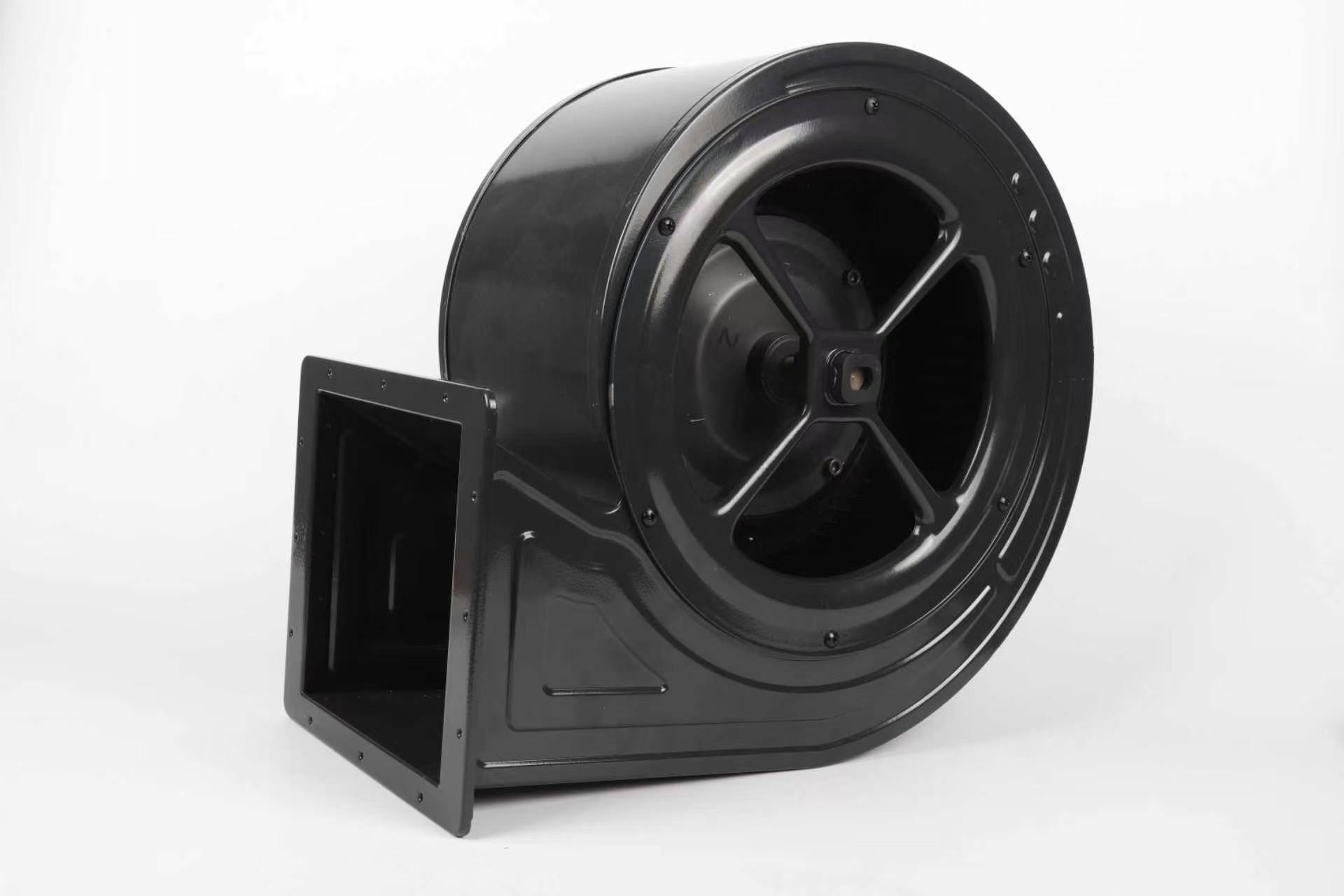
Outer rotor brushless fan 40 square large air volume negative pressure 2000Pa range hood fan high-efficiency smoke exhaust solution

Outer rotor brushless fan 40 square large air volume negative pressure 2000Pa range hood fan high-efficiency smoke exhaust solution

Kitchen油烟难题与风机选择关键Modern households and commercial kitchens have increasingly high demands for smoke extraction performance. Traditional fans often face issues of insufficient airflow, high noise, and high energy consumption. Especially during high-heat stir-frying, smoke fills the air instantly, causing great annoyance. Choosing the right range hood fan directly affects kitchen air quality and the cooking experience. The external rotor brushless fan, with its structural advantages, is becoming a core component of efficient smoke extraction systems. It provides stable and powerful output for range hoods, ensuring rapid smoke removal. For application scenarios requiring 40 cubic meters of high airflow and a negative pressure of 2000Pa, the external rotor brushless fan is an ideal choice.
Detailed Explanation of Stepper Motor Working Principle: A Comprehensive Guide from Basics to Applications (Copy) (Copy)

Detailed Explanation of Stepper Motor Working Principle: A Comprehensive Guide from Basics to Applications (Copy) (Copy)

In modern automated equipment, stepper motors, as an open-loop control element that converts electrical pulse signals into angular or linear displacement, are widely used in fields such as 3D printers, CNC machine tools, robot joints, and medical devices. Unlike ordinary DC motors, stepper motors can be precisely controlled without feedback sensors.
Detailed Explanation of Stepper Motor Working Principle: A Comprehensive Guide from Basics to Applications (Copy)

Detailed Explanation of Stepper Motor Working Principle: A Comprehensive Guide from Basics to Applications (Copy)

In modern automated equipment, stepper motors, as an open-loop control component that converts electrical pulse signals into angular or linear displacement, are widely used in fields such as 3D printers, CNC machine tools, robot joints, and medical devices. Unlike ordinary DC motors, stepper motors can achieve precise control without feedback sensors.
Detailed Explanation of Stepper Motor Working Principle: A Comprehensive Guide from Basics to Applications (Copy)

Detailed Explanation of Stepper Motor Working Principle: A Comprehensive Guide from Basics to Applications (Copy)

In modern automated equipment, stepper motors, as an open-loop control component that converts electrical pulse signals into angular or linear displacement, are widely used in fields such as 3D printers, CNC machine tools, robot joints, and medical devices. Unlike ordinary DC motors, stepper motors can achieve precise control without feedback sensors.

24小时合作热线

0755-28137912

Henyao
Henyao
Henyao
Henyao
Copyright © 中领航电机(深圳)有限公司 粤ICP备16076289号

Warning: session_start(): Session cannot be started after headers have already been sent in /www/wwwroot/lixinxiang.com/includes/class.admin_language.php on line 139
💬
在线客服
在线
✕
对方正在输入...
您有任何问题可以咨询我们